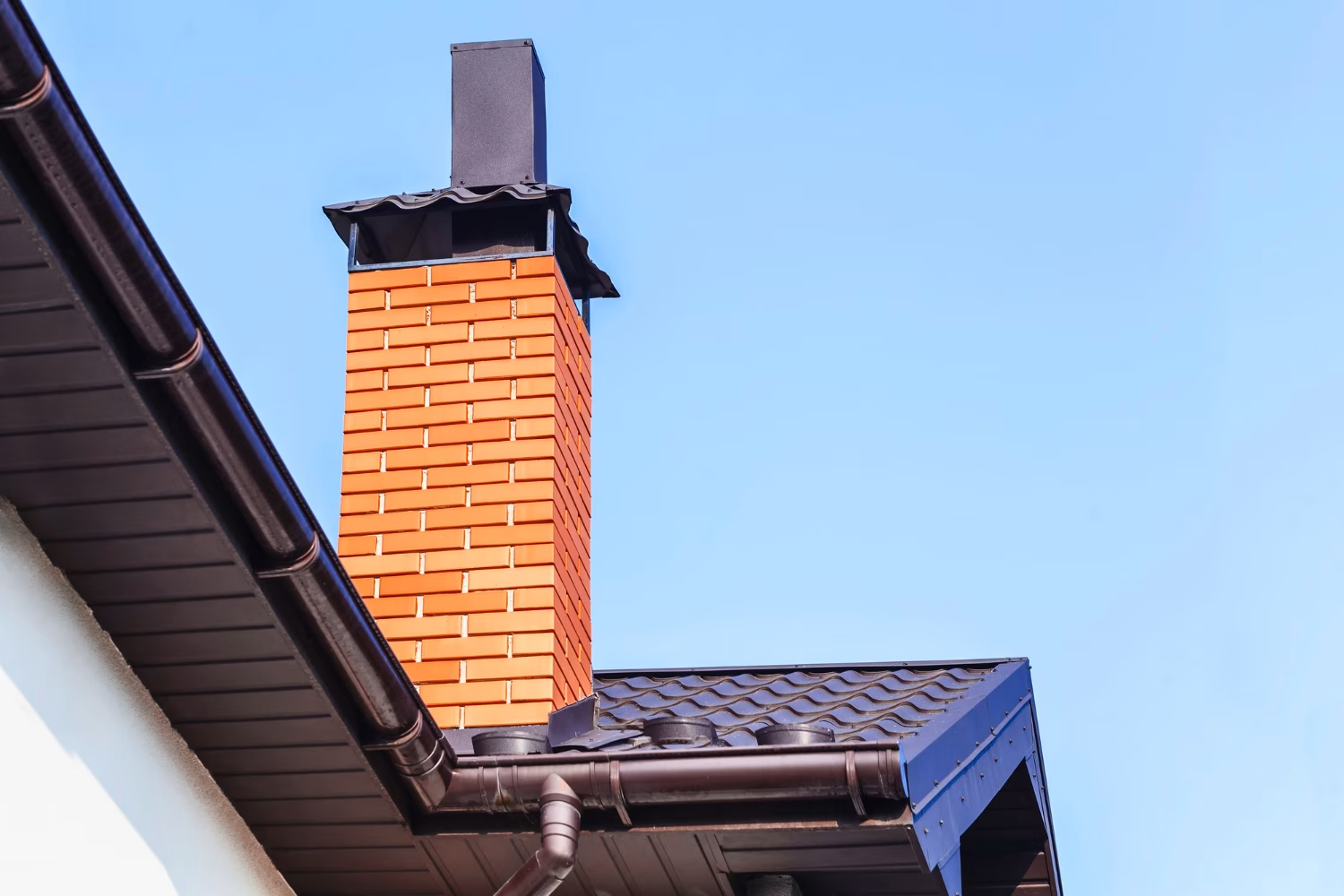

Chimney removal is a major home improvement project that goes beyond simply knocking down bricks. It involves carefully dismantling the chimney stack above the roof, and often the chimney breast inside the home, while ensuring structural integrity and weatherproofing afterwards. Unlike small repairs, this is a job that should be approached with professional planning and expertise, because it affects both the roof and, in many cases, interior walls.

Key Benefits of Removing an Unused Chimney
One of the most common reasons homeowners consider chimney removal is because the chimney is no longer used. Many modern houses rely on efficient furnaces, heat pumps, or electric fireplaces instead of traditional wood-burning systems, making old chimneys redundant. Removing an unused chimney eliminates the need for regular maintenance — like annual sweeps and masonry repairs — which can be costly over time. It also reduces the risk of roof leaks caused by mortar cracks, failed flashing, and shifting bricks that often develop in older chimneys.
Aesthetic Improvements and Space Gains
Another major advantage is the visual and spatial impact chimney removal can have. Removing the chimney stack creates a cleaner and more modern roofline, which many homeowners prefer. This change can also open up interior space, particularly if the chimney breast runs through multiple floors. The extra room can be repurposed for storage, design features, or simply to make living spaces feel larger and more open.
Energy Efficiency and Comfort
Unused chimneys can act much like an open window, allowing warm air to escape in winter and cool air to leak out in summer. Sealing and removing a chimney can improve overall home insulation and energy efficiency, which may help reduce heating and cooling costs. On top of that, eliminating a drafty chimney flue helps keep indoor temperatures more consistent and comfortable throughout the year.

Costs and Structural Considerations
Chimney removal isn’t inexpensive, and costs vary widely based on chimney size, location, and whether it’s load-bearing. Removing a simple chimney stack might cost a few thousand dollars, but large or central chimneys that require structural support can cost significantly more, especially when factoring in roof repair, debris removal, and interior finishing. A professional inspection is vital to understand whether additional supports like beams are needed to maintain the stability of your roof and walls.
Does Chimney Removal Affect Home Value?
The impact of chimney removal on resale value can differ based on the style of the home and the local market. For many modern homes, removing an obsolete chimney can enhance appeal and value by creating cleaner lines, more space, and reduced maintenance. In historic or traditional homes, however, chimneys can be seen as charming architectural features, and their removal may detract from that character. Considering your neighbourhood and potential buyers’ preferences is important before deciding.
When Chimney Removal Makes Sense
Chimney removal tends to make the most sense when the chimney is unused, causing leaks, or requiring frequent repairs that aren’t cost-effective to fix. It’s also considered during major roof replacements or home renovations that aim for a modern aesthetic. The key is to weigh the long-term benefits — such as improved insulation, fewer maintenance costs, and better interior space utilisation — against the upfront investment and how it fits your goals.