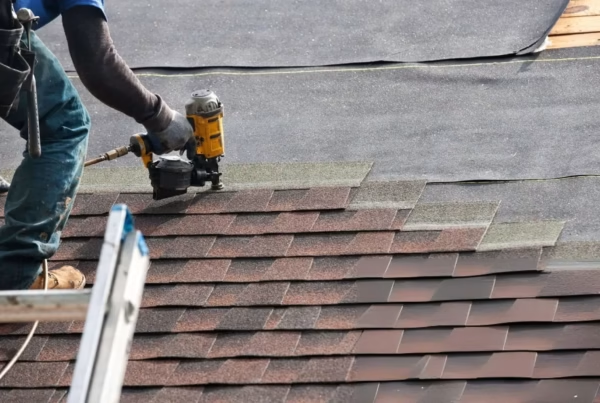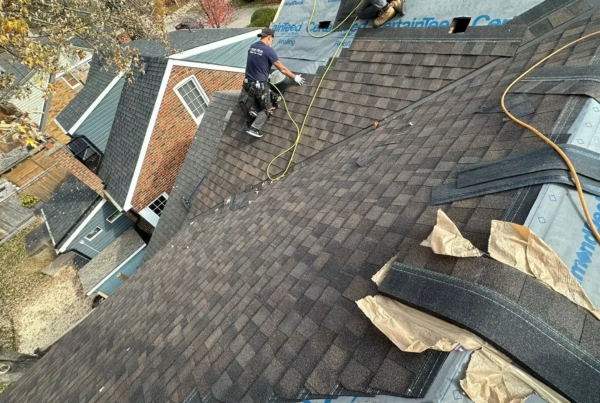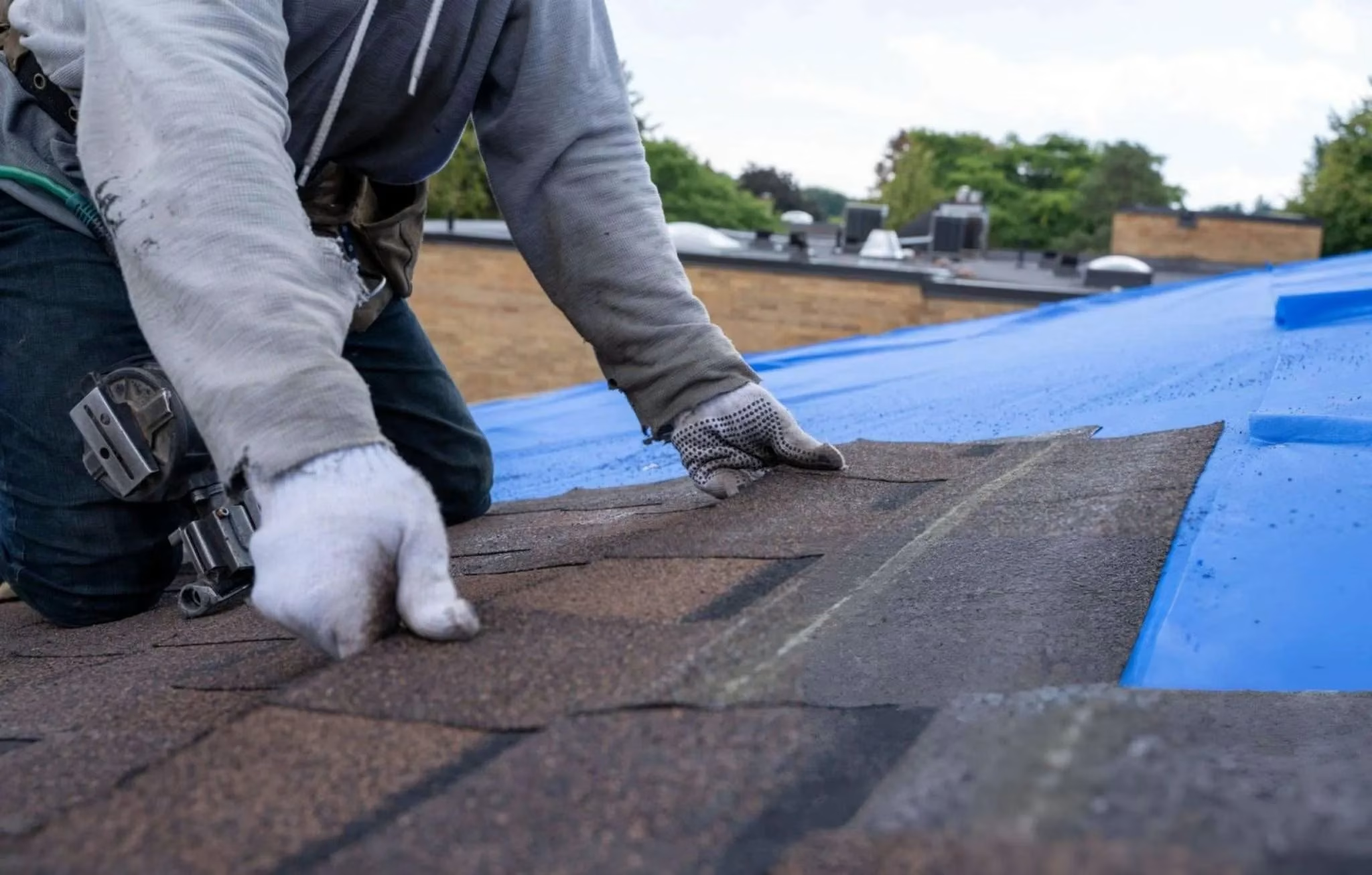

January is when Toronto roofs experience the most intense pressure of the entire year. Heavy snowfall, ice buildup, and constant freeze-thaw cycles put significant strain on shingle roofing systems, often exposing weaknesses that were invisible during warmer months.
For homeowners across Toronto, shingle roofing problems rarely appear suddenly. Instead, they develop slowly and worsen in winter, when trapped moisture, ice dams, and temperature swings accelerate deterioration and increase the risk of leaks, heat loss, and interior damage.

Understanding Shingle Roofing in Toronto’s Housing Landscape
Shingle roofing is the most common roofing system used on Toronto homes due to its affordability, durability, and ability to handle a wide range of weather conditions. Asphalt shingles are especially popular in both older neighbourhoods and newer suburban developments.
However, Toronto’s climate creates a demanding environment for shingles. Repeated freezing and thawing causes shingles to expand and contract, weakening seals and adhesives over time. When winter arrives, those small weaknesses often turn into major roofing concerns.
Common Winter Problems That Affect Shingle Roofs in January
Ice Dams and Water Penetration
Ice dams form when heat escapes from the attic, melting snow that refreezes along roof edges. This blockage forces water under shingles, bypassing their protective design and increasing the risk of leaks, ceiling stains, and hidden structural moisture damage.
Brittle and Cracked Shingles
Extreme cold temperatures make asphalt shingles less flexible and more prone to cracking. Shingles that were already aging or slightly damaged may split entirely, allowing moisture to penetrate the roofing system and compromise insulation and roof decking.
Wind Damage During Winter Storms
January storms in Toronto frequently bring strong winds that can lift or loosen shingles. Once shingles lose their seal, wind-driven snow and moisture can enter beneath the roofing layers, increasing the likelihood of leaks and long-term deterioration.
Warning Signs Your Shingle Roof Needs Attention This Winter
Many winter roofing problems remain hidden until they become serious. Uneven snow melt, excessive icicle formation, granules collecting in gutters, rising heating costs, and attic condensation are all indicators that a shingle roof may be under stress.
Interior signs such as ceiling discoloration, damp insulation, or cold drafts should never be ignored during January. These symptoms often point to roofing issues that worsen rapidly under winter conditions if not addressed early.
Benefits of Addressing Shingle Roofing Issues in January
Prevent Costly Structural Damage
Addressing minor roofing issues early in January can prevent major damage later in winter. Small repairs reduce the risk of water infiltration that can lead to mould growth, rotted framing, and costly interior restoration work.
Improve Energy Efficiency During Peak Heating Season
A compromised shingle roof allows warm air to escape, forcing heating systems to work harder. Sealing problem areas improves indoor comfort, stabilizes attic temperatures, and helps reduce energy costs during Toronto’s coldest months.
Avoid Emergency Repairs During Severe Weather
Proactive inspections and maintenance reduce the likelihood of emergency roof repairs during storms. Emergency winter repairs are often more expensive and limited by weather conditions, making early action a safer and more cost-effective choice.
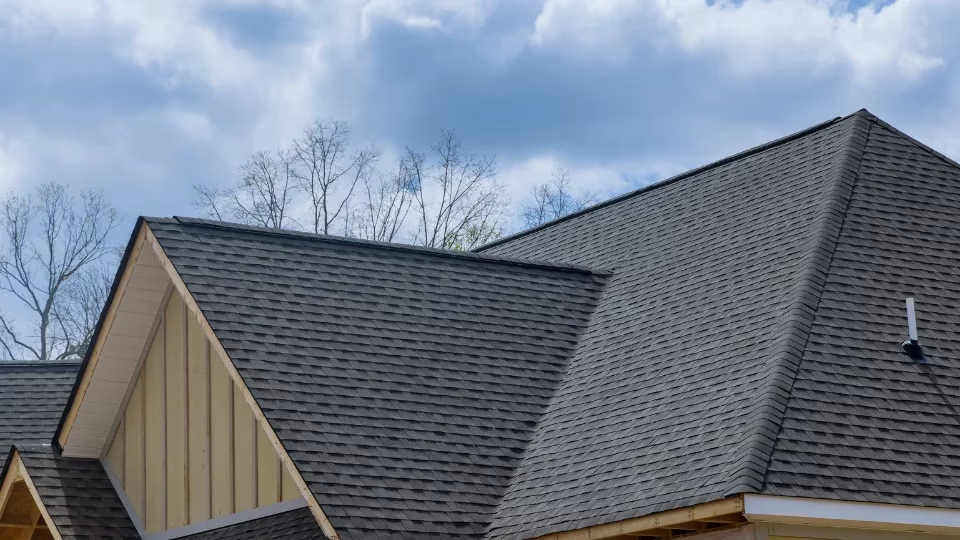
Practical January Tips for Shingle Roof Protection
Homeowners should regularly check attic insulation and ventilation to reduce heat loss that contributes to ice dams. Keeping gutters clear before heavy snowfall also helps water drain properly and prevents ice buildup along roof edges.
Avoid attempting to remove ice or snow using sharp tools, as this can damage shingles. If excessive ice buildup occurs, a professional roof assessment is the safest way to address the issue without causing further damage.
FAQs About Shingle Roofing in Toronto Winters
Can shingle roofing be repaired in winter?
Yes, many shingle roofing repairs can be completed during winter when conditions allow. Professional roofers use cold-weather techniques to safely address urgent issues and prevent further damage.
How does snow affect shingle roofs?
Snow adds weight to the roof and can contribute to ice dam formation. While shingles are designed to handle snow loads, underlying issues become more visible during prolonged winter conditions.
Is winter a good time for roof inspections?
Winter inspections are valuable because they reveal problems that only appear under cold stress. Identifying issues early can prevent costly repairs when spring arrives.
Why Choosing a Local Toronto Roofing Provider Matters
Local roofing professionals understand Toronto’s building codes, weather patterns, and housing styles. This knowledge allows them to identify common winter vulnerabilities and provide practical solutions tailored to local conditions.
A Toronto-based roofing company can also respond more quickly during winter emergencies. Familiarity with local neighbourhoods ensures efficient service when weather conditions demand timely action.
Protect Your Shingle Roof This Winter
January is the best time to assess how well your shingle roof is performing under real winter conditions. A professional inspection can identify hidden risks and help prevent costly damage later in the season.
If your Toronto home has a shingle roof showing signs of stress, consider speaking with a local roofing professional for expert guidance, preventative maintenance, or repair advice tailored to winter conditions.