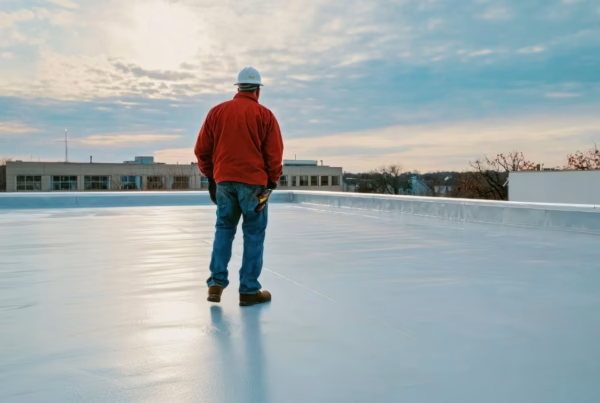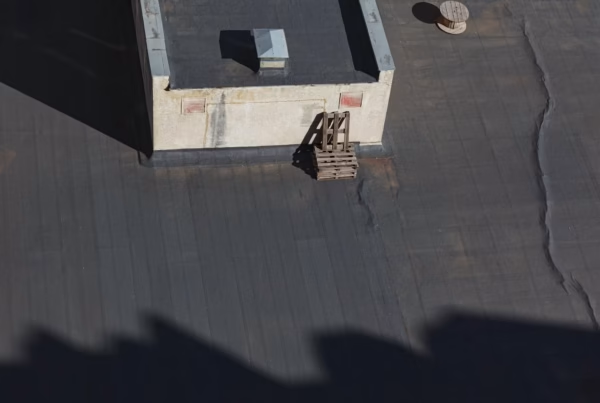

January is the most challenging time of year for flat roofing systems in Toronto. Persistent snowfall, ice accumulation, and sub-zero temperatures create drainage issues that flat roofs are especially vulnerable to when compared to sloped roofing systems.
Unlike pitched roofs that naturally shed snow and water, flat roofs rely heavily on proper drainage and membrane integrity. During January, even minor drainage obstructions or membrane weaknesses can quickly lead to pooling water, ice expansion, and interior leaks.
Understanding Flat Roofing Systems in Toronto
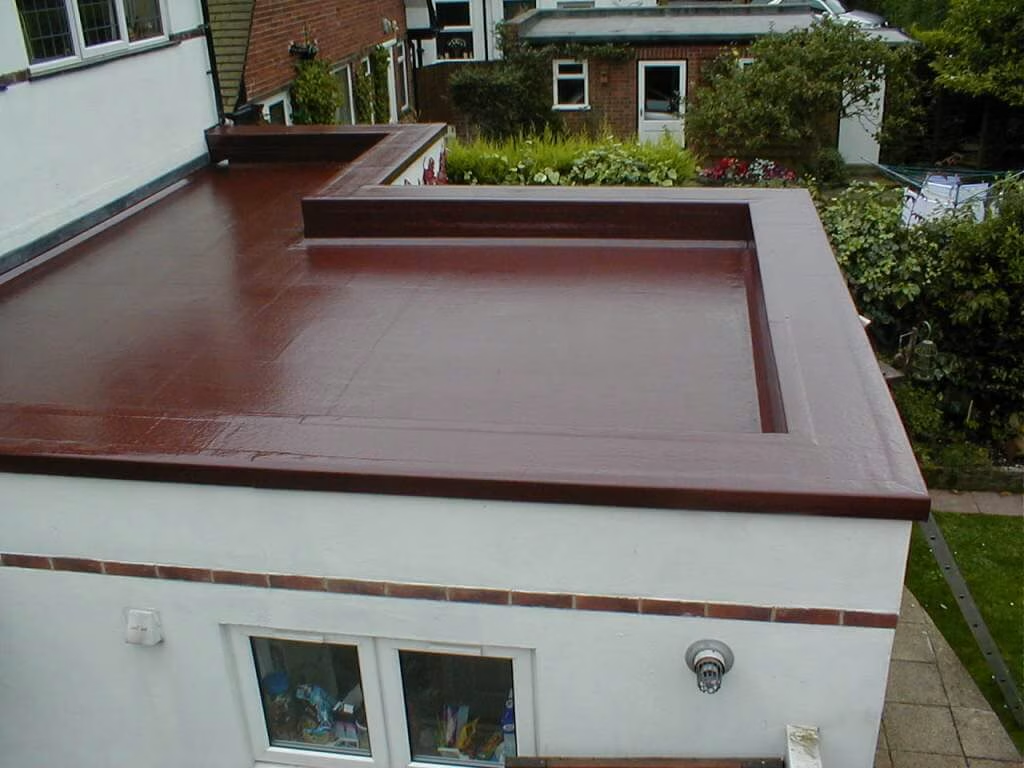
Flat roofing systems are commonly found on commercial buildings, multi-unit residential properties, and modern home additions throughout Toronto. These roofs typically use membranes such as modified bitumen, TPO, or EPDM to provide waterproof protection.
Toronto’s winter climate places unique stress on flat roofing membranes. Repeated freeze-thaw cycles cause materials to expand and contract, which can weaken seams and flashing. Over time, these stresses increase the risk of leaks if the system is not properly maintained.
Common January Problems Affecting Flat Roofs
Poor Drainage and Water Ponding
Flat roofs depend on internal drains, scuppers, or slight slopes to remove water. In January, snow buildup and ice can block drainage points, causing water to pool and freeze, which adds weight and stresses the roofing structure.
Ice Expansion and Membrane Damage
When trapped water freezes, it expands beneath the roofing membrane. This expansion can separate seams, crack flashing, or loosen fasteners, allowing water to enter the building once temperatures fluctuate and ice begins to melt.
Excessive Snow Load
Flat roofs can safely support snow when properly designed, but prolonged accumulation increases structural strain. Wet snow is especially heavy, and without timely removal or inspection, it can contribute to sagging or membrane fatigue.
Warning Signs Your Flat Roof Needs Winter Attention
Interior leaks, water stains, or dripping during thaws often indicate flat roof issues. Other warning signs include slow-draining water, visible ponding after snow melts, or ice buildup around drains and edges.
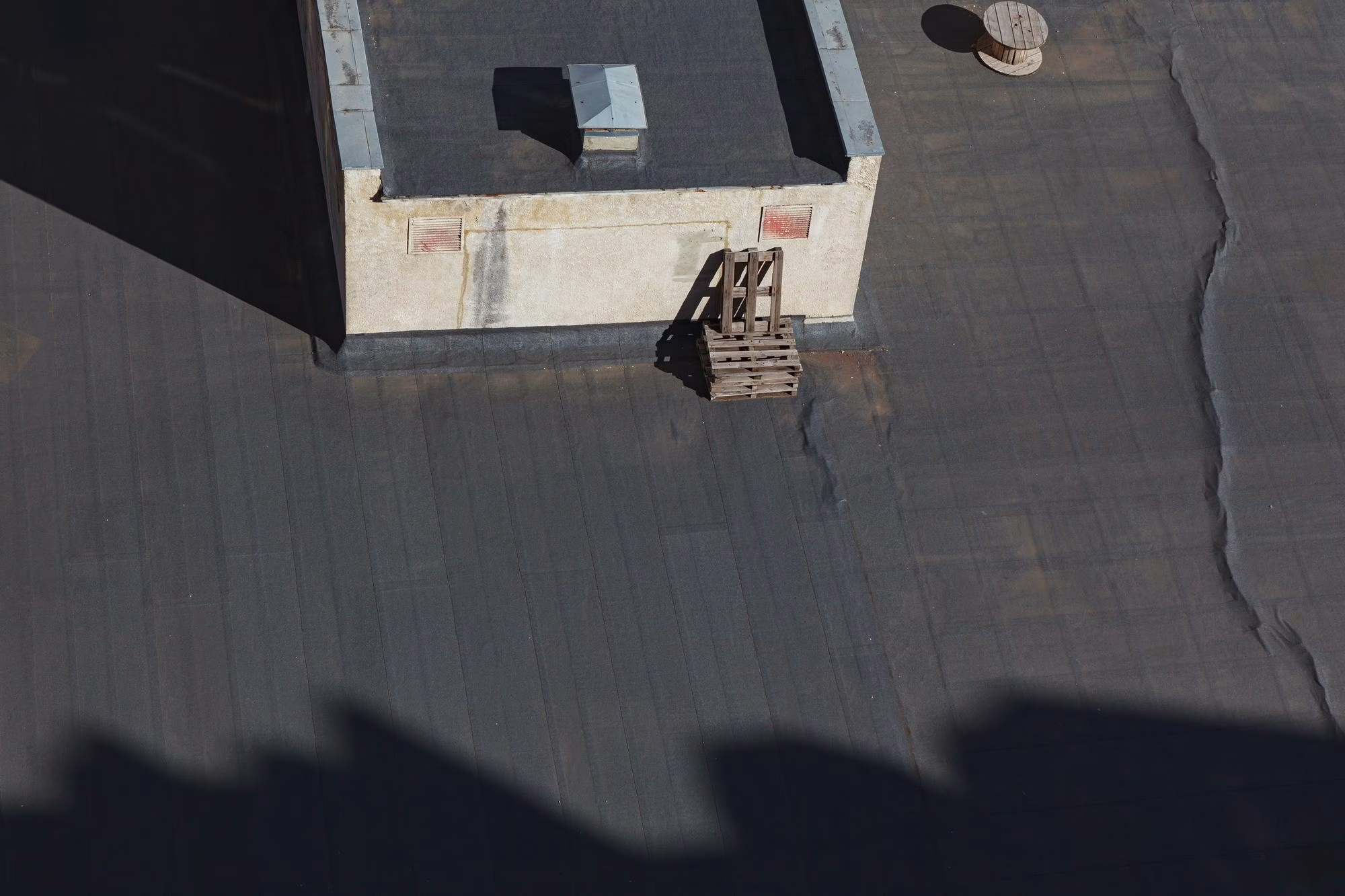
On the exterior, blistering membranes, lifted seams, or cracked flashing are indicators of winter stress. These issues often worsen rapidly in January, making early detection critical for preventing costly interior damage.
Benefits of Addressing Flat Roofing Issues in January
Prevent Interior Damage and Business Disruption
Flat roof leaks can quickly affect ceilings, insulation, electrical systems, and interior finishes. Addressing problems early in January helps prevent interruptions to daily operations, especially for commercial and multi-unit properties.
Extend the Life of the Roofing System
Winter maintenance reduces long-term wear on flat roofing membranes. Clearing drainage points and sealing vulnerable areas helps preserve the roof’s integrity and delays the need for premature replacement.
Reduce Emergency Repair Costs
Emergency flat roof repairs during winter storms are often more complex and expensive. Proactive inspections and minor repairs help avoid urgent situations that are harder to address during severe weather.
Practical January Flat Roof Maintenance Tips
Property owners should regularly monitor drainage areas and remove snow buildup near drains when safe to do so. Ensuring that internal drains remain clear helps prevent water ponding and ice-related damage.
Avoid walking on flat roofs unnecessarily during winter, as cold membranes are more susceptible to cracking. Scheduling a professional winter inspection is the safest way to identify risks without causing additional damage.
FAQs About Flat Roofing in Toronto Winters
Are flat roofs safe during Toronto winters?
Yes, properly designed flat roofs can safely handle winter conditions. However, drainage and membrane condition must be monitored closely to prevent water and ice-related issues.
Can flat roofs be repaired in winter?
Many flat roof repairs can be completed during winter using cold-weather materials and techniques. Prompt repairs help prevent small problems from escalating during freeze-thaw cycles.
How often should flat roofs be inspected in winter?
Flat roofs should be inspected at least once during winter, especially after heavy snowfall or thawing periods, to identify drainage issues and membrane damage early.
Why Local Flat Roofing Expertise Matters in Toronto
Local roofing professionals understand Toronto’s winter weather patterns and how they affect flat roofing systems. This experience allows for accurate assessments and solutions tailored to local building types and regulations.
A Toronto-based roofing provider can respond quickly during winter weather events. Faster response times reduce the risk of prolonged exposure to moisture and minimize damage to the building interior.
Protect Your Flat Roof This January
January offers a clear picture of how your flat roof performs under real winter stress. Identifying vulnerabilities now can prevent leaks, interior damage, and unexpected repair costs later in the season.
If your Toronto property has a flat roof, consider consulting a local roofing professional for a winter inspection or maintenance guidance tailored to January conditions.