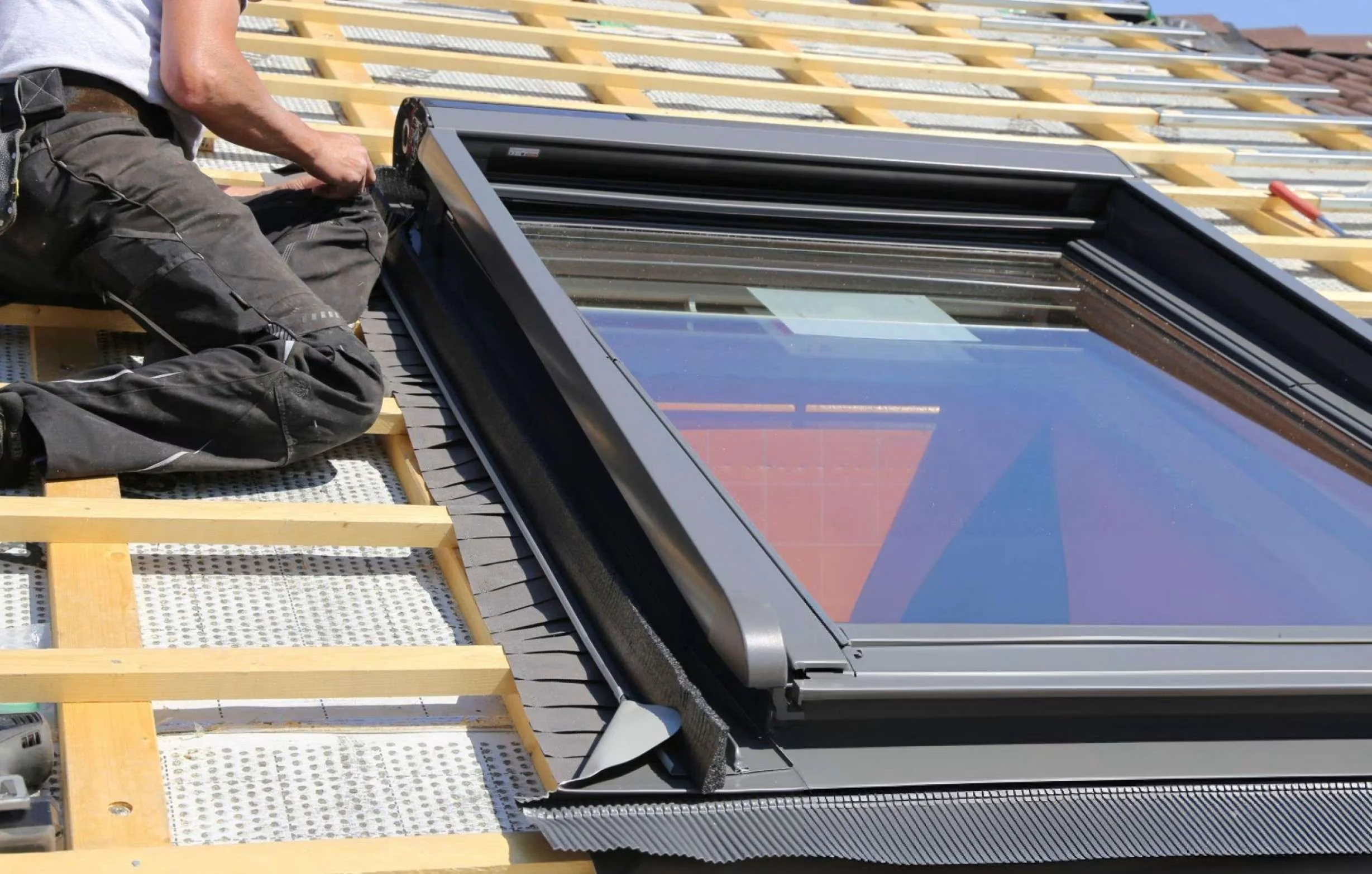

March is a transitional month in Toronto, where winter conditions begin to ease while spring moisture increases. This shift makes skylight performance especially noticeable, as melting snow and early rainfall expose leaks, condensation issues, and outdated installations.
For many homeowners, March is when natural light becomes more desirable after long winter months. Installing or upgrading skylights during this period improves comfort, prepares the roof for spring rain, and resolves problems before they worsen.

Understanding Skylight Installation in Toronto Homes
Skylight installation involves integrating a window system directly into the roof structure using proper flashing, sealing, and insulation. When done correctly, skylights provide natural light without compromising roof performance or energy efficiency.
Toronto’s climate demands high-quality skylight systems. Poorly installed or aging skylights often fail during seasonal transitions, allowing water intrusion or air leakage. March conditions help reveal whether existing skylights are still performing as intended.
Common Skylight Problems Revealed in March
Leaks During Snowmelt and Rainfall
As temperatures rise, melting snow and early spring rain place pressure on skylight flashing. Improperly sealed units may leak during this period, making March one of the most common months for skylight-related water issues.
Condensation and Drafts
Temperature differences between indoor air and outdoor conditions can cause condensation around skylights. Excess moisture buildup often signals insulation or ventilation issues that become more noticeable during seasonal change.
Outdated or Inefficient Skylight Systems
Older skylights may lack modern energy-efficient glazing or proper sealing. March is often when homeowners notice heat loss, glare, or inconsistent indoor temperatures linked to aging skylight designs.
Signs You May Need Skylight Replacement or Installation
Water stains around skylight frames, fogging between glass panes, or visible cracks are strong indicators that a skylight is no longer functioning properly. These issues often worsen during spring thaw and rainfall.
Homeowners may also notice increased heating costs or uncomfortable drafts near skylights. These signs suggest that insulation or flashing systems are failing and may require replacement or a new installation.

Benefits of Skylight Installation in March
Prepare Your Roof for Spring Rain
Installing or upgrading skylights in March ensures proper sealing before heavier spring rainfall arrives. Addressing issues early reduces the risk of water damage during the wettest months of the year.
Increase Natural Light and Comfort
Skylights bring daylight into interior spaces that often feel dark during winter. Improved lighting enhances comfort, reduces reliance on artificial lighting, and creates a more inviting living environment.
Improve Energy Efficiency Before Summer
Modern skylights are designed to minimize heat loss and control solar gain. Installing energy-efficient models in March helps regulate indoor temperatures before summer heat arrives.
Practical March Skylight Maintenance Tips
Homeowners should inspect skylight frames and surrounding ceiling areas for signs of moisture or staining as snow melts. Early detection of leaks prevents damage to drywall and insulation.
Avoid applying temporary sealants or caulking without professional assessment. Improper fixes can trap moisture and worsen problems, especially during fluctuating spring temperatures.
FAQs About Skylight Installation in Toronto
Is March a good time for skylight installation?
Yes, March offers milder conditions that allow proper installation while identifying issues caused by winter stress before spring rainfall increases.
Do skylights cause heat loss?
Modern skylights are energy efficient when installed correctly. Heat loss typically occurs only with outdated models or improper flashing and insulation.
Can skylights be installed on existing roofs?
Yes, skylights can be added to existing roofs, provided the structure is assessed and the installation follows proper waterproofing standards.
Why Local Skylight Expertise Matters in Toronto
Local roofing professionals understand how Toronto’s climate affects skylight performance throughout the year. Their experience ensures proper installation techniques that prevent leaks and energy loss.
A Toronto-based provider also understands local building codes and roofing styles, ensuring skylights are installed safely and in compliance with regulations.
Call to Action: Bring Light In Without Compromising Your Roof
March is the ideal time to assess skylight performance and plan improvements. Addressing issues now prevents leaks and prepares your roof for spring weather.
If your Toronto home could benefit from skylight installation or replacement, consider consulting a local roofing professional for expert guidance tailored to seasonal conditions.