
March is when many Toronto homeowners finally see the effects of poor roof ventilation. As temperatures fluctuate and snow begins to melt, trapped moisture and heat reveal ventilation issues that remained hidden during deep winter.
Improper roof ventilation can lead to condensation, ice dam formation, and rising energy costs. March offers the ideal opportunity to assess airflow performance and make improvements before spring moisture and summer heat create further problems.

Understanding Roof Ventilation in Toronto Homes
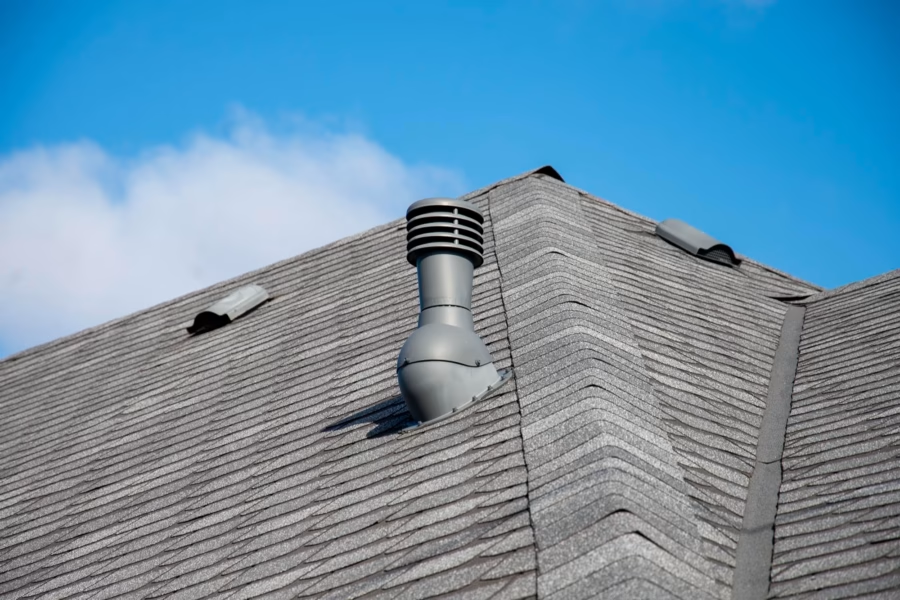
Roof ventilation allows fresh air to circulate through the attic while expelling warm, moist air. Balanced intake and exhaust vents work together to regulate temperature and moisture levels throughout the year.
Toronto’s climate makes proper ventilation essential. Without it, warm indoor air rises into the attic, where it condenses on cold surfaces. Over time, this moisture damages insulation, wood framing, and roofing materials.
Common Ventilation Problems Revealed in March
Attic Condensation and Moisture Buildup
As outdoor temperatures rise slightly in March, condensation becomes more visible in poorly ventilated attics. Moisture can collect on rafters, insulation, and roof decking, increasing the risk of mould and rot.
Ice Dam Formation Along Roof Edges
Inadequate ventilation allows attic heat to melt roof snow unevenly. This leads to ice dams at the eaves, where refrozen water blocks drainage and forces moisture under shingles and roofing membranes.
Uneven Roof Temperatures
Poor ventilation causes hot and cold spots across the roof surface. These temperature differences accelerate shingle wear and reduce overall roof lifespan, particularly during seasonal transitions.
Signs Your Roof Ventilation Needs Improvement
Homeowners may notice musty odours in attic spaces, damp insulation, or visible frost during winter that later turns into moisture damage. These are clear indicators of ventilation imbalance.
Other warning signs include excessive icicle formation, high heating bills, or rooms that feel inconsistent in temperature. These symptoms often point to trapped heat and moisture in the attic.

Benefits of Improving Roof Ventilation in March
Reduce Moisture Damage Before Spring
Correcting ventilation issues in March prevents moisture buildup from worsening during spring rainfall. Proper airflow protects insulation, framing, and roof decking from long-term damage.
Improve Energy Efficiency Year-Round
Balanced roof ventilation helps regulate attic temperatures, reducing heat loss in winter and heat gain in summer. This leads to lower energy bills and improved indoor comfort.
Extend Roof Lifespan
Ventilation reduces stress on roofing materials caused by temperature extremes. By stabilizing attic conditions, shingles and membranes last longer and perform more reliably.
Practical March Roof Ventilation Tips
Homeowners should check attic spaces for signs of moisture, mould, or compressed insulation. Ensuring vents are not blocked by insulation or debris is a simple but effective step.
Avoid sealing attic spaces without addressing ventilation needs. Proper airflow must be maintained to prevent moisture trapping, which can cause more harm than good over time.
FAQs About Roof Ventilation in Toronto
Why is roof ventilation important in Toronto?
Toronto’s climate creates large temperature differences that cause condensation without proper ventilation. Ventilation protects the roof structure and improves energy efficiency.
Can ventilation help prevent ice dams?
Yes, proper ventilation helps keep roof temperatures consistent, reducing snow melt and refreezing that lead to ice dam formation.
When should roof ventilation be upgraded?
March is an ideal time because winter damage is visible and improvements can be completed before spring moisture and summer heat arrive.
Why Local Ventilation Expertise Matters in Toronto
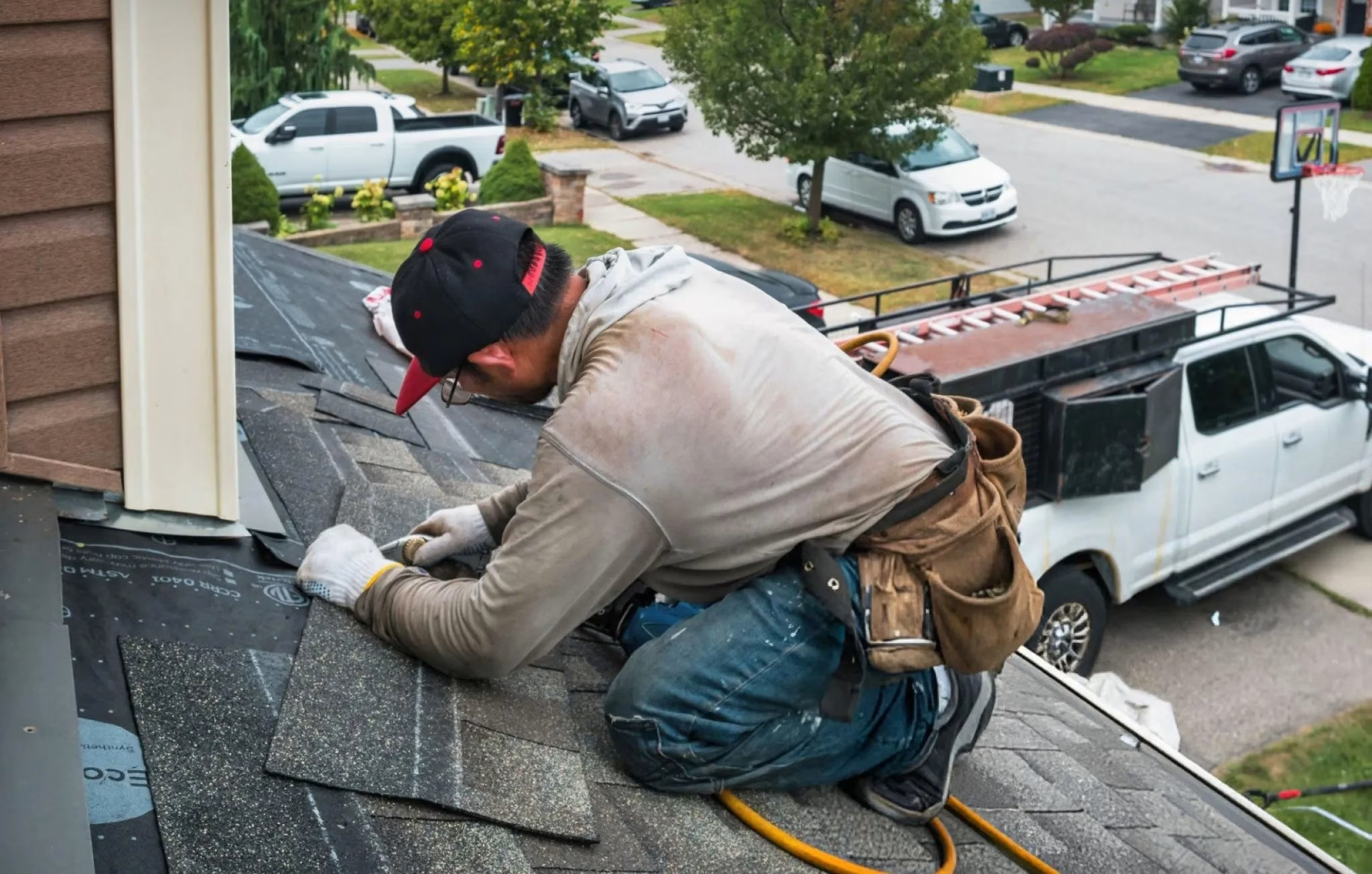
Local roofing professionals understand Toronto’s housing styles, attic designs, and climate challenges. This experience ensures ventilation systems are properly balanced and suited to local conditions.
A Toronto-based contractor can also identify code requirements and recommend ventilation solutions that work effectively in both older and newer homes.
Prepare Your Roof for Spring and Summer
March is the ideal month to evaluate roof ventilation performance. Addressing airflow issues now helps prevent moisture damage, ice dams, and unnecessary energy loss later in the year.
If your Toronto home shows signs of poor ventilation, consider consulting a local roofing professional for an attic assessment and ventilation improvement plan.