
July is typically the hottest month in Toronto, and this is when poor roof ventilation becomes most noticeable. Trapped heat in the attic raises indoor temperatures, strains cooling systems, and accelerates wear on roofing materials.
Without proper airflow, attic spaces can reach extreme temperatures during July. Improving roof ventilation at this time helps control heat buildup and protects the roof structure from long-term damage caused by sustained thermal stress.

Understanding Roof Ventilation Performance in Summer
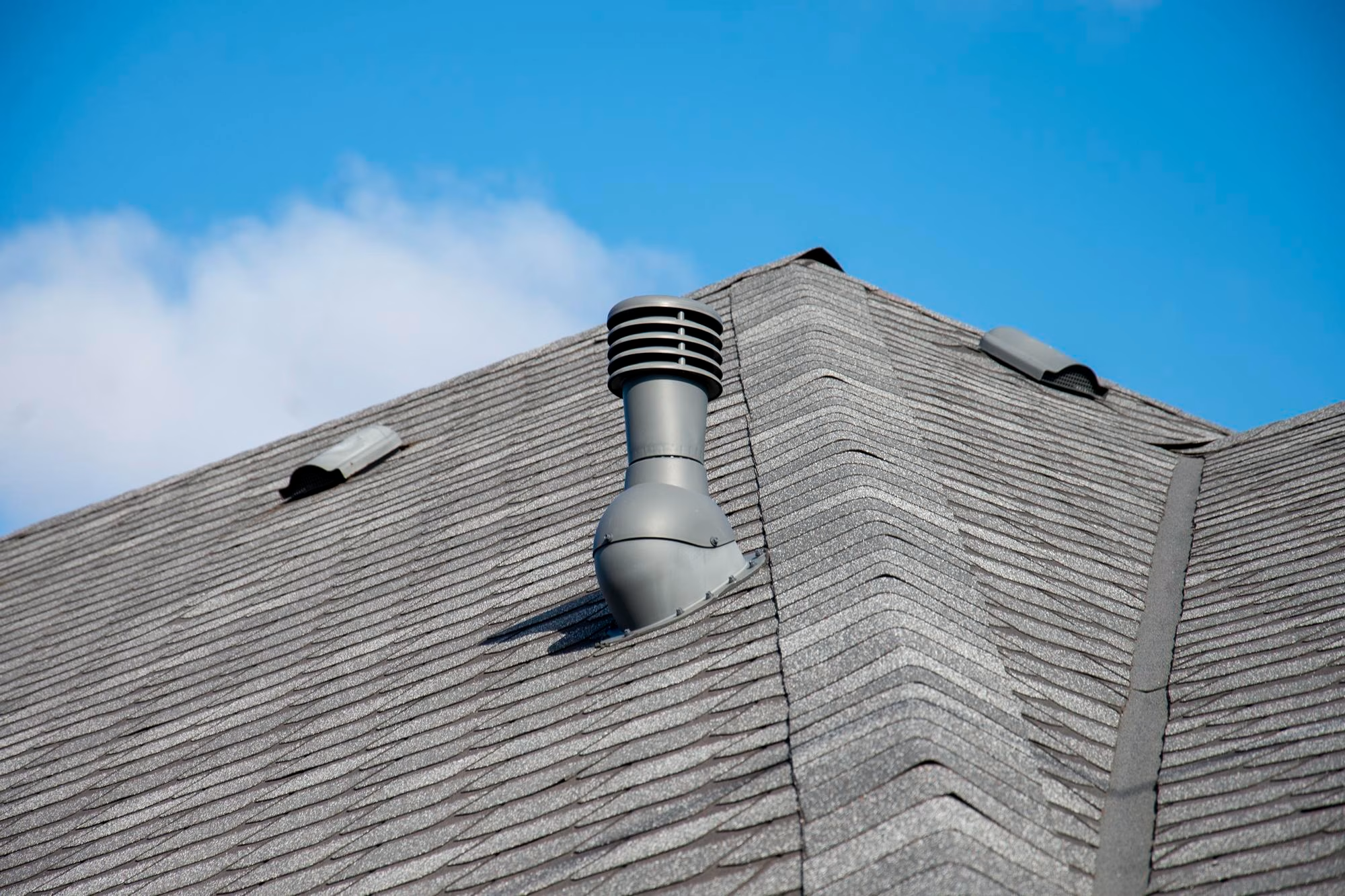
Roof ventilation works by allowing cooler outside air to enter through intake vents while pushing hot air out through exhaust vents. This continuous airflow regulates attic temperature and moisture levels throughout the year.
In Toronto’s summer climate, effective ventilation is essential for managing heat. July conditions make it easier to identify airflow issues, as overheating and uneven indoor temperatures become more apparent.
Common Ventilation Issues Found During July
Excessive Attic Heat Buildup
Poorly ventilated attics can trap heat, causing temperatures to rise far above outdoor levels. This heat radiates downward, making living spaces uncomfortable and increasing reliance on air conditioning.
Premature Roofing Material Wear
Constant heat exposure dries out shingles and roofing membranes, reducing flexibility and lifespan. July inspections often reveal accelerated aging directly linked to inadequate ventilation.
Uneven Indoor Cooling
Homes with ventilation problems often experience hot upper floors and inconsistent cooling. These comfort issues are frequently traced back to trapped attic heat rather than HVAC system performance.
Signs Roof Ventilation Needs Improvement
High cooling bills, persistent heat on upper floors, and attic spaces that feel extremely hot are common indicators of poor ventilation. These symptoms tend to peak during July’s prolonged warm periods.
Other warning signs include curled shingles, brittle roofing materials, or visible heat distortion. Addressing these signs early helps prevent more serious roofing problems later in the year.

Benefits of Improving Roof Ventilation in July
Reduce Cooling System Strain
Proper ventilation lowers attic temperatures, reducing heat transfer into living spaces. This allows air conditioning systems to operate more efficiently and helps lower energy costs.
Protect Roofing Materials
By reducing excessive heat exposure, ventilation upgrades help shingles and membranes retain flexibility and durability. This extends the overall lifespan of the roofing system.
Improve Indoor Comfort
Balanced airflow stabilizes indoor temperatures, especially on upper levels. Homes feel cooler and more comfortable during peak summer heat.
Practical July Roof Ventilation Tips
Homeowners should schedule professional attic evaluations in July to assess airflow and heat buildup. Summer inspections provide the most accurate picture of ventilation performance.
Avoid sealing attic spaces without improving ventilation. Trapping heat can worsen problems and lead to moisture issues once seasonal temperatures change.
FAQs About Roof Ventilation in Toronto
Does roof ventilation help in summer?
Yes, proper ventilation reduces attic heat, improves indoor comfort, and protects roofing materials during hot Toronto summers.
Can ventilation reduce cooling costs?
Improved airflow lowers attic temperatures, helping air conditioning systems work more efficiently and reducing energy use.
When should ventilation be upgraded?
Summer is an ideal time because heat-related issues are most visible and improvements can be immediately felt.
Why Local Roof Ventilation Expertise Matters in Toronto
Local roofing professionals understand how Toronto’s heat, humidity, and building styles affect attic airflow. This knowledge ensures ventilation systems are properly balanced and effective.
A Toronto-based contractor can also recommend vent types that perform well in local conditions and comply with regional building standards.
Keep Your Home Cooler and Your Roof Healthier
July is the best time to address attic heat and ventilation problems. Improving airflow now helps protect your roof and enhances indoor comfort throughout the summer.
If your Toronto home struggles with heat buildup or uneven cooling, consider consulting a local roofing professional for a roof ventilation assessment.