
October is a critical month for roof ventilation in Toronto, as outdoor temperatures drop and indoor heating systems begin operating more frequently. This shift often exposes airflow problems that can lead to condensation and moisture buildup in the attic.
If ventilation issues are not addressed in fall, trapped warm air can condense on cold attic surfaces once winter arrives. October provides a valuable opportunity to correct airflow before freezing conditions increase the risk of roof damage.

Understanding Roof Ventilation During Seasonal Change
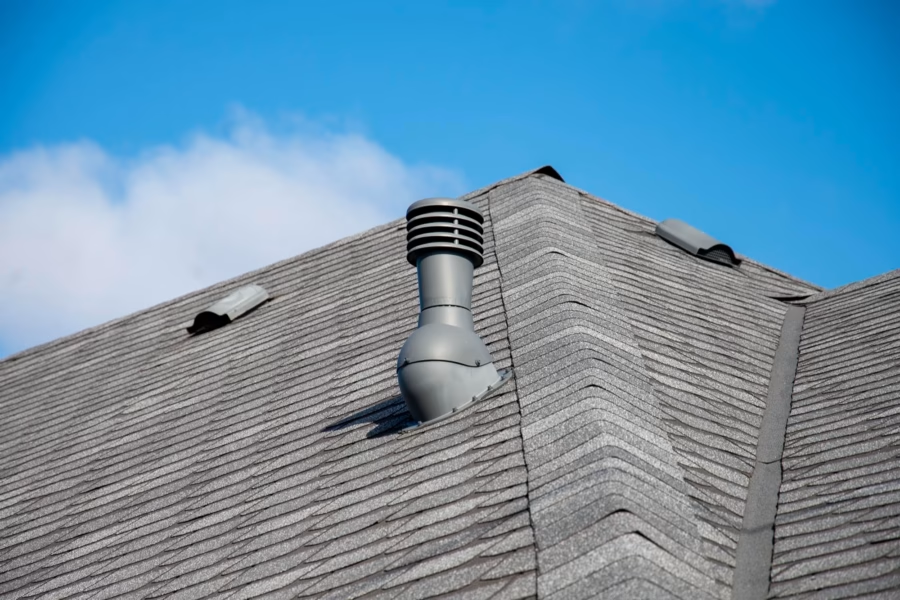
Roof ventilation works by balancing intake and exhaust airflow to regulate attic temperature and moisture. As homes transition from cooling to heating in October, proper airflow becomes essential to prevent condensation.
Toronto’s climate creates sharp temperature contrasts in fall. Without balanced ventilation, warm indoor air rises into the attic, where it can condense on roof decking and insulation, leading to long-term structural issues.
Common Ventilation Problems Identified in October
Attic Condensation and Moisture Accumulation
As nights become colder, moisture from indoor air can condense in poorly ventilated attics. October inspections often reveal damp insulation or early signs of mould growth caused by inadequate airflow.
Blocked or Ineffective Vent Openings
Debris, insulation, or aging vent components can restrict airflow. Reduced ventilation performance in fall increases the risk of moisture-related roof problems once temperatures drop further.
Heat Trapping That Affects Roof Performance
Trapped heat in the attic creates uneven roof temperatures. This condition can contribute to premature material wear and increase the likelihood of ice dam formation later in winter.
Signs Roof Ventilation Needs Attention in October
Musty attic odours, visible moisture on rafters, or damp insulation are common warning signs. These issues often become noticeable as heating systems are used more frequently.
Homeowners may also experience inconsistent indoor temperatures or rising heating costs. These symptoms can point to trapped attic heat and insufficient ventilation.

Benefits of Improving Roof Ventilation in October
Reduce Winter Condensation Risk
Correcting ventilation issues in October helps prevent moisture buildup during winter. Proper airflow protects insulation, roof decking, and structural components from water damage.
Improve Heating Efficiency
Balanced ventilation supports consistent attic temperatures, reducing heat loss. This improves heating efficiency and helps maintain comfortable indoor conditions.
Protect Roofing Materials
Ventilation reduces temperature extremes that stress roofing materials. Addressing airflow before winter extends the lifespan of shingles and other roofing components.
Practical October Roof Ventilation Tips
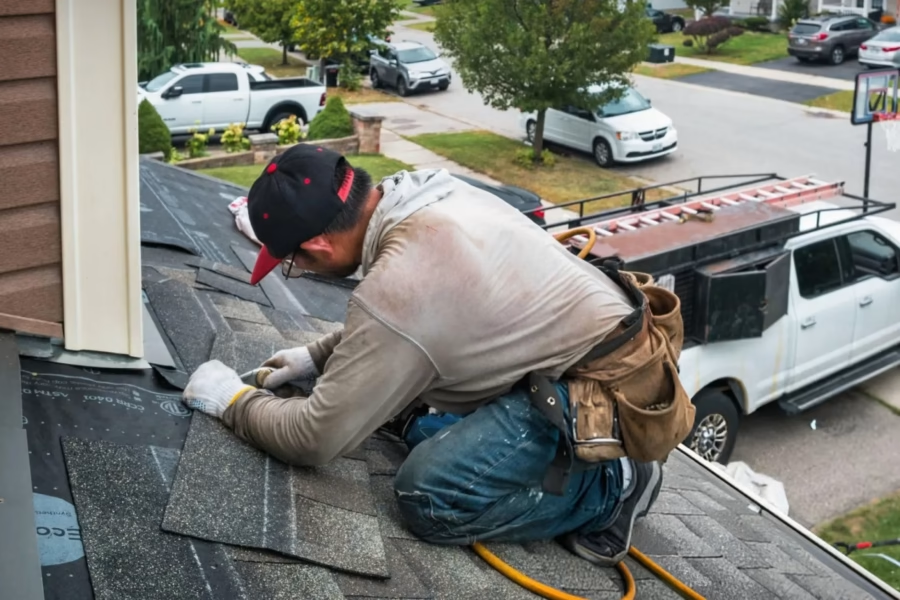
Homeowners should schedule professional attic inspections in October to assess airflow and moisture levels. Early action allows improvements to be completed before cold weather limits access.
Avoid sealing attic spaces without addressing ventilation needs. Proper airflow must be maintained to prevent moisture from becoming trapped during winter.
FAQs About Roof Ventilation in Toronto
Should ventilation be checked before winter?
Yes, fall is one of the most important times to evaluate roof ventilation to prevent condensation and moisture damage.
Can poor ventilation cause roof damage?
Yes, trapped moisture and heat can damage insulation, decking, and roofing materials over time.
Does ventilation affect heating costs?
Proper ventilation helps regulate attic temperatures, improving heating efficiency and indoor comfort.
Why Local Roof Ventilation Expertise Matters in Toronto
Local roofing professionals understand how Toronto’s seasonal temperature changes affect attic airflow. Their experience ensures ventilation systems are balanced for regional conditions.
A Toronto-based contractor also ensures ventilation solutions comply with local building standards and perform reliably through winter.
Prepare Your Attic for Winter Conditions
October is the ideal time to ensure your roof ventilation is functioning properly. Addressing airflow issues now helps prevent winter moisture problems and protects your roof.
If your Toronto home shows signs of attic moisture or heat imbalance, consider consulting a local roofing professional for a ventilation assessment.